
πŸ“ž Call for a Free Quote: 772-263-8047

Fence Staining & Sealing in Lakeland, FL

Fence Staining & Sealing in Lakeland, FL

A wood fence in Central Florida takes a beating that the same fence wouldn't take in a drier climate β€” near-daily summer humidity, intense UV, and heavy seasonal rain all push moisture into unsealed wood, which leads to warping, graying, and eventually rot at the post base and rail joints. Staining and sealing on a regular cycle is what keeps a wood fence looking good and structurally sound well past the point an unsealed one starts falling apart.

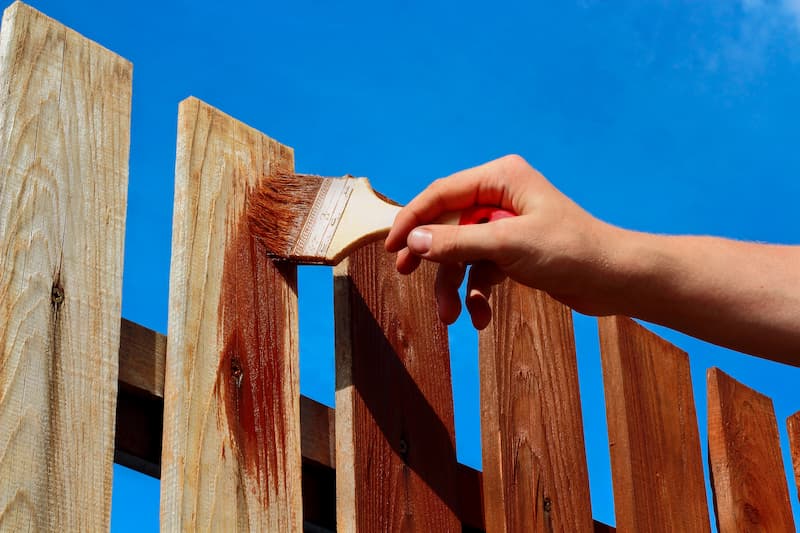
We pressure-wash the fence first to strip old, failing finish and surface mildew, let it dry fully, then apply a penetrating stain and sealer rated for high-humidity climates. We recommend resealing every 1–2 years for most Lakeland yards, depending on sun exposure and how much sprinkler overspray the fence gets.

This service also applies to a newly installed wood fence β€” sealing it correctly in the first few weeks, before the wood has a chance to weather unprotected, makes a meaningful difference in how long it lasts.

πŸ“ž Call 772-263-8047

Request This Service

* Indicates required field

Why Florida Wood Fences Need It More Often

Compared to drier climates, Central Florida's humidity and UV exposure shorten the useful life of an unsealed wood fence significantly. A fence that might go 3-4 years without attention elsewhere often needs resealing every 12-18 months here to avoid graying, cupping boards, and rot starting at the post base. Afternoon thunderstorms most of the summer keep wood wet longer than a single rain event would elsewhere, and that repeated wet-dry cycling is what actually drives the warping and checking you see in an unsealed board well before the wood itself would otherwise fail.

The Staining & Sealing Process

We start by pressure-washing the fence to strip old, failing finish, surface mildew, and dirt buildup, using enough pressure to clean the wood without gouging or fuzzing the grain. The fence then needs to dry fully before any product goes on β€” rushing this step is one of the most common reasons a stain job fails early, since sealer applied over damp wood doesn't penetrate or bond correctly. Once dry, we apply a penetrating stain and sealer rated for high-humidity climates, working it into the grain rather than just coating the surface, and check for even coverage on both faces of the fence and along the top of the caps and posts where sun and rain hit hardest.

Choosing a Stain Color & Finish

Stain comes in several options from clear or semi-transparent, which shows off the wood grain but offers less UV protection, to solid or semi-solid tones that hide grain and imperfections while blocking more sun damage. Semi-transparent and semi-solid stains in medium-to-darker tones tend to hold up best against Florida's UV exposure without needing to be reapplied as often as a clear sealer. We can bring sample boards to the estimate so you can see how a given color and finish actually look before committing.

Signs Your Fence Needs Resealing Now

Graying or silvering wood, water that no longer beads on the surface and instead soaks straight in, small surface cracks or splinters along the top of boards, and any softness at the base of a post are all signs the existing finish has failed and moisture is starting to get into the wood. Catching it at the graying stage is far cheaper than waiting until rot has actually set in at the post base, since resealing at that point is cosmetic maintenance rather than a structural repair.

New Fence Sealing

If you just had a wood fence installed β€” by us or someone else β€” sealing it within the first few weeks protects it before humidity and sun exposure start breaking down the raw wood. Untreated new lumber left through even a few weeks of Central Florida summer weather starts absorbing moisture and UV damage immediately, so the earlier it's sealed after installation, the longer that first stain cycle actually lasts. We can schedule this as a follow-up to a new install, ours or another company's.

How Long a Stain Job Takes & What It Costs

Most residential jobs take a single day β€” pressure washing in the morning, drying time, and application of stain and sealer that afternoon or the following day if humidity is high enough to slow drying. Pricing runs by linear footage and fence height, and factors in how much prep the wood needs; a fence that's been neglected for years with heavy mildew or peeling old stain takes more prep time than one that's simply due for its regular cycle. We'll give you a firm price after seeing the fence's actual condition rather than quoting blind over the phone.

Staining vs. Painting a Wood Fence

Paint sits on top of the wood as a film rather than soaking in, and in Florida's climate that film tends to crack, peel, and trap moisture underneath it once it starts to fail β€” which can actually accelerate rot compared to an unfinished fence. Penetrating stain and sealer, by contrast, lets the wood breathe while still blocking most water absorption and UV damage, which is why it's the standard recommendation for wood fencing in a climate this humid. We generally steer customers away from painting a fence for this reason, even though it's a common request from homeowners used to a drier region.

DIY Staining vs. Hiring a Pro

Staining a fence yourself is possible, but the prep work β€” pressure washing correctly without gouging the wood, waiting for full dry-down in Florida humidity, and getting even coverage on both faces of every board β€” is where most DIY jobs fall short and end up needing an early recoat. We also work in commercial-grade stain and sealer products rated for high-humidity climates that aren't always available at a standard hardware store, and we can typically complete a full residential fence in a day, which is faster than most homeowners can dedicate a weekend to the same job with better results.

Setting Up a Recurring Maintenance Schedule

Because Lakeland's climate shortens the interval between stain jobs compared to drier regions, several of our customers set up a standing reseal cycle rather than waiting for the fence to visibly need it. We can schedule a return visit on a 12 to 18 month cycle so the fence stays consistently protected instead of cycling between well-maintained and visibly weathered, which also tends to work out cheaper over time than letting the finish fail completely between jobs.

Areas We Serve

Proudly providing fence installation across the region:

Get Fence Staining & Sealing in Lakeland Today

Fast response, upfront pricing, and friendly local pros. Call now for a free quote.

πŸ“ž Call 772-263-8047