
πŸ“ž Call for a Free Quote: 772-263-8047

Wood Fence in Lakeland, FL

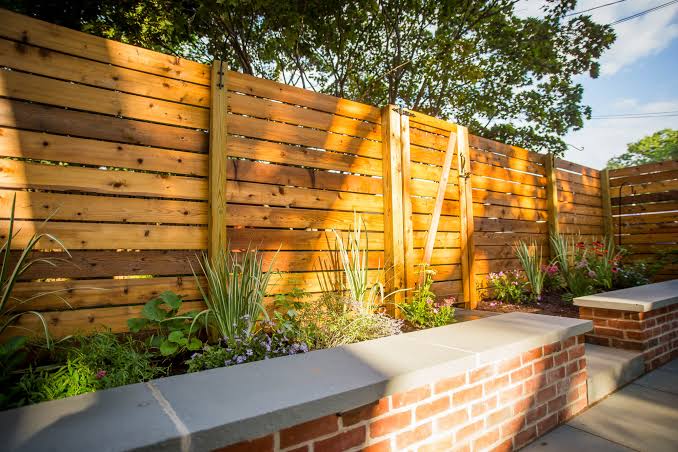
Horizontal wood privacy fence installation in Lakeland, FL

Wood is still one of the most popular fence choices in Lakeland's older, established neighborhoods around Dixieland and Lake Morton, where a classic picket or privacy fence fits the character of the home better than a more modern material. We build both horizontal and traditional vertical board privacy fences, as well as picket-style fencing for a more open, decorative front-yard boundary.

Wood costs less upfront than composite or aluminum, but it demands real maintenance in Florida's climate β€” we use pressure-treated posts set below the frost-free depth Florida code requires, and we seal every wood fence we install rather than leaving that step to the homeowner, since unsealed wood left through even one Central Florida summer can start graying and cupping.

We work in pressure-treated pine as a standard, and can source cedar for homeowners who want a more premium look and don't mind the added cost. Call for a free quote and we'll talk through style, height, and maintenance expectations before you commit.

πŸ“ž Call 772-263-8047

Request This Service

* Indicates required field

Privacy vs. Picket Styles

Solid board privacy fencing (vertical or the increasingly popular horizontal plank style) is the more common request for backyards, while a shorter picket fence is popular for front yards in Lakeland's historic neighborhoods where a fully enclosed privacy fence would look out of place. Horizontal plank privacy fencing has become a frequent request over the last several years for a more modern look, though it typically costs a bit more than traditional vertical board due to the additional framing needed to support boards running the other direction.

Pressure-Treated Pine vs. Cedar

Pressure-treated pine is our standard material β€” it's chemically treated to resist rot and insects, costs less than cedar, and holds up well in Florida's climate as long as it's sealed correctly and on a regular cycle. Cedar carries a natural resistance to rot and insects without chemical treatment and has a warmer, more premium look and grain, but it costs noticeably more and still needs sealing in this climate to get full value from that natural resistance. Most residential jobs go with pressure-treated pine; cedar is more common on higher-end front-yard or picket installs where appearance matters more than budget.

How We Set Wood Fence Posts

Post depth and concrete footing size are what actually determine whether a wood fence stays straight or starts leaning within a few years, especially in the sandy, moisture-variable soil common across Polk County. We set posts below the depth Florida code calls for, use a proper concrete footing rather than just tamped soil, and space posts to match the panel or rail span so the fence doesn't sag between supports. This matters more with wood than lighter materials since the panels themselves carry real weight and wind resistance that transfers directly into the posts.

Sealing Included

We seal every wood fence we install as part of the job, not as an optional add-on β€” unsealed wood fares poorly in Florida's humidity and sun, often graying and cupping within a single summer if left untreated. Sealing early, before the wood has weathered unprotected, makes a real difference in how long the finish lasts. Plan on resealing every 1-2 years afterward to keep it protected long-term, more often on fence faces that get direct afternoon sun or heavy sprinkler overspray.

Signs of Rot & When to Call Us Instead of a Handyman

Soft or spongy wood at the base of a post, boards that have visibly cupped or bowed, and a fence that's started to lean even slightly are all signs rot has already set in below the surface, not just cosmetic wear. A quick handyman fix β€” screwing a board back on or bracing a leaning section β€” often just delays a proper repair while the underlying post continues to deteriorate. We assess whether the issue is isolated to one or two posts (a repair) or has spread further along the run (often a sign it's time to consider replacement).

What Affects Wood Fence Cost

Linear footage and height are the primary drivers, followed by material choice between pressure-treated pine and cedar, board style (vertical, horizontal, or picket), and gate count. Sealing is included in our new-install pricing rather than billed separately, which is worth confirming with any company you're comparing quotes against, since some installers quote a lower base price and treat sealing as an upsell after the fact.

Our Wood Fence Warranty

We stand behind the installation itself with a workmanship warranty covering post setting, framing, and construction β€” if a post we set heaves or a rail comes loose from normal use, we come back and fix it at no charge. Lumber quality and any manufacturer treatment warranty on the wood itself are separate from that, and we'll be clear about which issues fall under our workmanship coverage versus what's a material question before the job starts.

A Common Wood Fence Mistake

The most common issue we see on wood fences installed by other companies is skipping proper sealing at the time of install to save cost, leaving the homeowner to handle it later β€” except by the time most people notice the wood needs attention, it's already grayed and started absorbing moisture unevenly, which makes that first seal job less effective than it would have been on fresh lumber. We include sealing on every new install specifically to avoid that gap between installation and protection.

Timeline From Estimate to Finished Fence

Pressure-treated pine is typically stocked at standard dimensions, so most wood installs move from signed estimate to completed, sealed fence within one to two weeks. Cedar or a non-standard board width sometimes carries a longer supplier lead time, and we'll flag that during the estimate so it doesn't come as a surprise if you're working toward a specific completion date.

HOA Considerations for Wood Fencing

Older, established Lakeland neighborhoods without an active HOA generally have the most flexibility on wood fence style and height, which is part of why wood remains popular around Dixieland and Lake Morton. Newer HOA subdivisions are more likely to restrict wood to specific yard areas or require it be stained a particular tone, so we'll confirm your community's guidelines before finalizing style and color if you're in a covenant-governed neighborhood.

Wood Fence Repair vs. New Install

If you're weighing whether an aging wood fence is worth repairing versus a full new installation, the general rule is that isolated post rot or a couple of damaged boards is a repair, while widespread graying, cupping across most boards, and multiple failed posts usually means the fence has reached the end of its practical life. We'll give you an honest read during the estimate rather than defaulting to whichever recommendation costs more.

Areas We Serve

Proudly providing fence installation across the region:

Get Wood Fence in Lakeland Today

Fast response, upfront pricing, and friendly local pros. Call now for a free quote.

πŸ“ž Call 772-263-8047